
Mineral Rights Texas Land: What Buyers Should Know
Updated: Sep 15
Buying a large ranch in Texas does not mean you own the oil beneath your feet. Under state law, mineral rights and surface rights can be owned by different people. Knowing this split is critical before you buy rural land.
Ready to own rural Texas land? Browse our available properties or contact our team to learn about flexible owner financing.
To many land buyers, mineral rights Texas land deals are unique because state law divides property into two distinct estates: the surface estate and the mineral estate. Unless the seller explicitly retains these subsurface minerals in the deed during a land sale, all mineral rights will automatically transfer to you as the new owner. However, if those minerals were severed in the past, a third party may own the resources beneath your dirt and hold dominant rights to use your surface land. For clear legal rules on how these split interests work, you can review the Texas Railroad Commission surface ownership guide and conduct thorough due diligence before buying land.
If you are looking at Texas land, you need to know how these split estates might impact your ranch plans. While this guide is educational, it is not legal advice, so you should consult an attorney for specific questions. Protecting your land starts by asking: What Are Mineral Rights on Texas Land? The path begins with
What Are Mineral Rights on Texas Land?
Understanding mineral rights on Texas land is a key step when you want to buy rural acreage. In Texas, land ownership is divided into two separate parts: the surface estate and the mineral estate. Knowing how these two parts interact will help you make safe choices and protect your investment.
Two distinct estates under Texas law
Under Texas law, owning land does not always mean you own everything above and below the ground. The law splits land ownership into two distinct pieces: the surface estate and the mineral estate. The surface estate covers the soil, trees, and buildings on top of the land.
The mineral estate covers resources like oil, gas, coal, and other minerals deep underground. The Texas Railroad Commission notes that these two estates can be owned by the same person or by different parties.
When one person owns both pieces, it is called a unified estate. But over time, many Texas landowners sell the mineral rights while keeping the surface, which is called severing the minerals. If you buy land with severed minerals, you only own the surface. This is why understanding mineral rights on Texas land is so important before you sign a contract.
How minerals transfer in a property sale
If you look at Texas land for sale, you might wonder who owns the underground minerals. Texas law has a simple rule for this. The Texas Railroad Commission state guidelines are clear. If a seller does not keep the minerals in the deed, those rights automatically transfer to the buyer.
But many properties in Texas had their minerals severed decades ago. A past owner might have sold the surface land but kept the mineral rights. If so, the current seller cannot transfer those rights to you. This is why you must look at the importance of investigating mineral rights and review the deed history before you buy.
The value of professional deed review
Finding out who owns the minerals requires a deep search of county records. This search looks back through old deeds to see if a past owner severed the rights. Because land deeds are complex, we recommend that you get professional help. We provide this guide for educational purposes, but it is not legal advice.
You should always hire a licensed Texas real estate attorney to review your property deeds. A skilled lawyer can trace the history of your land and find any other claims. They can also explain what surface rights you will have if the minerals are owned by someone else. Buying land is a major step, and having the right advice gives you peace of mind.
Ready to find your piece of Texas? View properties currently available, or contact us today to speak with our local land experts.
Surface Rights vs Mineral Rights: How Do They Differ?
In Texas, land is split into two parts called estates. These are the surface estate and the mineral estate. When you own the surface, you own the soil, trees, and buildings, but someone else may own the oil and gas below. This split can shape how you use your land.

The Difference Between the Two Estates
To understand your options, you must look at how these two estates work. The surface estate covers the top of the land and everything built on it. When you buy this estate, you get the right to farm, build a home, or run a business.
But if the minerals have been severed, you do not own what lies deep in the earth. The mineral estate covers oil, gas, and coal. This means two different owners can have rights to the exact same piece of land.
Doing your own research is a key step when buying rural land. This is why mineral rights and rural property ownership should always be checked. If you buy land without the mineral rights, you may have to share your space. Let us look at why this happens and what rights a mineral owner holds.
Why the Mineral Estate Is Dominant
According to the Texas Railroad Commission rules, the mineral estate is dominant. This means mineral owners can use the surface estate as reasonably necessary. They do this to find and drill for oil and gas.
They can act even if you do not agree. As a surface owner, you cannot block them if their use is reasonable. This is why understanding mineral rights on Texas land is so vital before you buy.
Companies that lease these rights also get broad power. These lessees can run seismic tests, drill wells, and build roads on your land without your consent. This means you could wake up to see heavy trucks and road crews on your land. This is why knowing who owns the minerals is a must.
This table compares what each estate owns and can do under Texas law. It helps you see how these rights split on Central Texas land at a glance.
Feature | Surface Rights | Mineral Rights |
What is owned | Soil, trees, water, and buildings on top of the land. | Oil, gas, coal, and other minerals below the ground. |
Legal status | The servient estate, which must allow access. | The dominant estate, which has legal priority. |
Surface use | Full use but must yield to reasonable mineral work. | Can use the surface to find and extract resources. |
Owner consent | Holds the right to build and live on the land. | Can drill and build roads without surface owner consent. |
Because of these rules, buying land without mineral rights can feel risky, but you do not have to worry. Many land owners live on split estates for decades without any issues. The key is to know what you buy before you sign. This is why we help buyers find the facts they need about their Central Texas land.
Are you ready to find your own piece of Central Texas? Contact Us today to view our available land and start your path to ownership.
Severed vs Conveyed Mineral Rights: What Does It Mean for You?
When you buy land in Texas, you must know if the mineral estate is severed or conveyed. Conveyed rights mean you get both the surface and the minerals beneath it when you buy the land. Severed rights mean someone else owns the minerals, which can affect how you use your land. Before you sign any papers, understanding mineral rights on Texas land is a key step to protect your investment.
Meaning of conveyed mineral rights
Conveyed mineral rights are those that pass to you when you buy the property. In Texas, land has two parts: the surface estate and the mineral estate. Under Texas law, if a seller does not keep the mineral estate, those rights go to you as well. This rule means you get full ownership of what is on top and what is below the ground.
You do not need a separate deed to get these rights. As long as the sales contract does not limit the transfer, the minerals go with the land. Having conveyed rights gives you peace of mind. It means you own the dirt, the grass, and any oil or gas deep underground.
How mineral rights become severed
Severed mineral rights happen when the surface and mineral estates are split. This split, or severance, means different people own the top and bottom of the land. In Texas, this split is very common, and an owner might sell the surface but keep the minerals underneath. Less often, an owner sells the minerals but keeps the surface.
Once a split happens, the two estates are separate forever unless someone buys both back. The Texas Railroad Commission explains that this split creates two distinct pieces of property. Each piece can be sold, leased, or passed down to heirs on its own.
Many land tracts in Texas were split decades ago. When oil was first found, early owners sold the surface to farmers but kept the minerals. Over the years, these mineral rights were divided among many heirs. This history is why a single piece of land might have dozens of mineral owners today.
Impact on Texas land buyers
Knowing about mineral rights Texas land issues can save you from big mistakes. For a buyer, severed rights can bring surprises because the mineral estate is dominant in Texas. This rule means the mineral owner can use the surface to get oil or gas without your permission. This potential risk makes the importance of investigating mineral rights clear before you buy any rural acreage.
You should always verify what you are buying. If you want a peaceful home or a farm, a drill rig in your front yard could ruin your plans. You can look at county clerk records to see who owns the minerals on a property. While Eden Land Company does not give legal advice, we always help our buyers learn how to do their homework.
When you look at rural tracts, always ask if the seller has the minerals. Our team has over forty years of experience in Central Texas land development. We believe in being fully open and help you see what you are buying. Knowing these details helps you make a smart choice for your family's future.
Ready to find your own slice of Texas? View Properties with Eden Land Company today and talk with our local land team.
Why Mineral Rights Matter to Land Buyers
Buying a piece of land is a great step, but you must know what lies beneath the surface. Knowing about mineral rights Texas land rules helps you make a safe deal. This knowledge helps you protect your land, avoid surprise drilling, and see if you can make money from oil or gas.
The dominant mineral estate
Under Texas law, the mineral estate is the dominant estate. This rule means the owner of the minerals has a legal right to use the surface of your land to get to them. They can enter your land, build roads, or drill wells without asking you first.
They hold broad rights to find and produce oil and gas, as stated by the Texas Railroad Commission. This dominant status is why the importance of investigating mineral rights is so high for rural buyers. If you only own the surface, you cannot simply stop a mineral owner from using your land.
The bundle of underground rights
When you own minerals, you hold a bundle of different legal powers. According to the Texas Board of Law Examiners, a mineral interest has three main parts. These parts include the right to develop the minerals and the right to get royalty payments if a company finds oil or gas.
The third part is the executive right, which lets you sign lease deals with energy companies. Each of these parts can be sold or kept on its own, which makes mineral rights and rural property ownership a critical topic to study.
The executive right is key because it controls the future of the land. It gives the holder the sole power to sign lease deals to find and produce oil and gas. Even if you own a portion of the minerals, you cannot stop a lease if someone else holds the executive rights. This division of power can affect your land's value and how you use your land.
Protecting your investment
With more than 40 years of experience in Central Texas, we know that buying rural land is a big step. We want every buyer to feel secure and make smart choices. That is why understanding mineral rights on Texas land is so helpful.
Doing your homework before you sign any paperwork is the best way to avoid surprise drilling or lease disputes later. We encourage you to ask questions and check the county records to see what rights come with your new land.
Ready to find your own piece of Central Texas? View properties today to explore our owner-financed land options, or contact us to talk to our expert team.
How to Verify Mineral Rights Before You Buy
You must check the status of the mineral estate before you buy any rural property. In Texas, a seller can sell the surface land but keep the minerals below the dirt. Because of this, do not assume that buying land always gives you the oil, gas, or other minerals below the ground.
Steps for checking ownership
To make a smart choice, you should follow a clear path to check the deed history. You can do this work on your own or hire a helper to search for you. The process takes time, but it helps you avoid costly surprises after you buy.
First, visit the county clerk's office in the county where the property sits. You must search the deed records back to the first land grant from the state to find any past sales of the mineral estate.
Second, read all past deeds and land contracts with care. Look for any words that show a seller kept or reserved the mineral rights. This act separates the minerals from the surface.
Third, check the public site of the Texas Railroad Commission to see if there are active oil or gas leases on the land. These records show if any company has a permit to drill or has already put a well on the property.
Fourth, talk to a real estate attorney or hire a trusted landman to review your findings. These experts can find hidden gaps in the chain of title that a basic search might miss.

Resources for your research
To search these records with care, read the Texas A&M AgriLife guide on mineral ownership. This guide explains how deeds are filed and how to trace them over many years. It also warns buyers about the risks of severed rights on Texas land.
When you look at rural acreage, you should always check the entire property history. This research is a key part of mineral rights and rural property ownership in the Lone Star State. Taking these steps before you sign a contract will protect your investment and give you peace of mind.
Consulting with legal experts
Because Texas land law is complex, you should get expert help for any deep title searches. A trusted real estate lawyer can review the chain of title and tell you exactly what you own. This step is the safest way to ensure you do not face surprise drill rigs on your property.
If you are ready to find beautiful Texas land with clear and honest terms, we can help. Contact Eden Land Company today to view our land for sale and start your journey to land ownership.
How the Texas Railroad Commission Regulates Oil and Gas
The Texas Railroad Commission (RRC) is the state agency that oversees oil and gas work in TX. This group sets the rules for drilling, testing, and production across the state. If you own or want to buy land, their rules directly affect how other parties can use your property. Knowing these rules is a key part of managing your mineral rights Texas land interests.
The Regulatory Role of the RRC
The RRC does not deal with railroads anymore. Instead, its main job is to manage the state's energy assets. The agency creates and enforces rules for drilling wells, safety, and production. These rules help protect both the land and the public.
It also works to protect nature and prevent resource waste. If an energy company wants to drill for oil in TX, they must get permits from this board first. The RRC ensures that all drilling work follows state law to protect local towns.
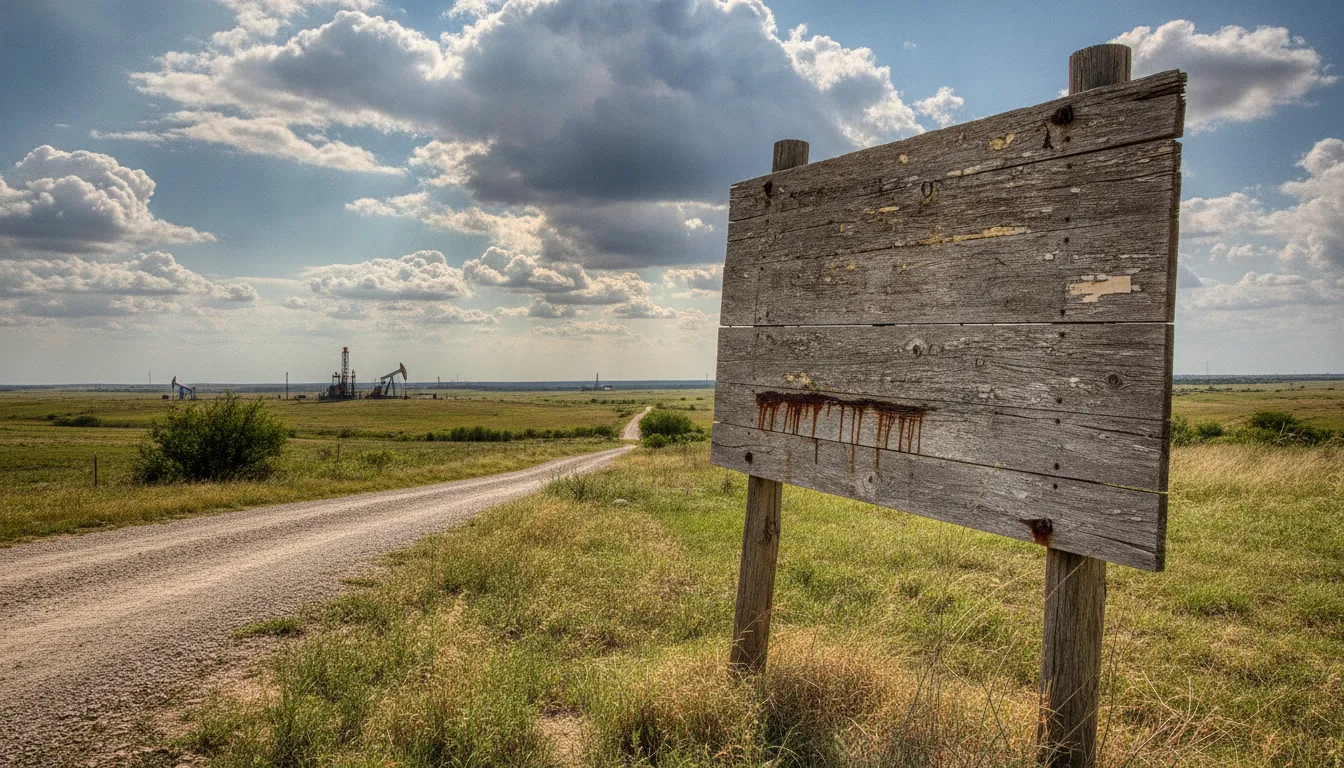
Surface Use and Dominant Estates
In TX, the mineral estate is the dominant estate. This legal status means that the owner of the minerals has special rights. Even if you only own the surface of the land, the mineral owner can use your property to get to their resources. They do not need your consent to search for oil or gas.
Mineral owners have the legal right to use as much of the surface as is truly needed for exploration and production. According to the Texas Railroad Commission surface rules, this law applies whether the two estates are owned together or severed. This rule makes sure that the state can still develop its natural assets.
Broad Rights of Mineral Lessees
When a mineral owner leases their rights to an energy company, that company becomes the lessee. Mineral lessees have broad rights on the property under state rules. They can perform seismic testing, drill wells, and build roads to reach resources. These tasks can change how you use your land.
Lessees do not need to ask the surface owner for consent before they start this work. This is why learning about Texas land ownership and mineral rights is so vital before you buy. You must know who has the right to enter and use your ground. A clear search of the property title will show if a lease is in place.
If you are ready to buy land in TX, the team at Eden Land Company is here to help. We have worked in Central TX for over 40 years. Explore our properties today or contact us to start your search.
Ready to find your own piece of Texas? Browse available Central Texas land today and find a property that fits your budget.
Frequently Asked Questions
Can someone own the mineral rights to my Texas property?
Yes, it is very common in Texas for mineral rights to be severed from surface rights. When this happens, a third party owns the rights to explore and extract oil, gas, or other minerals below the surface. This split can occur if a prior owner sold the land but kept the minerals. You can learn more about how split estates work in our guide to understanding mineral rights on Texas land.
What is the difference between surface and mineral rights in Texas?
Under Texas law, land ownership includes two distinct sets of rights, or estates: the surface estate and the mineral estate. According to the Texas Railroad Commission, these estates can be owned by different people. Surface rights cover the physical land and buildings, while mineral rights cover underground resources like oil and gas.
What does dominant estate mean regarding Texas mineral rights?
In Texas, the mineral estate is the dominant estate. This means the mineral owner has a legal right to use the surface land to find and extract oil or gas. They do not need the surface owner's permission to start drilling. You should look into the importance of investigating mineral rights before you buy any rural property.
Do I automatically own the mineral rights when I buy Texas land?
Usually, yes. If the seller owns the mineral estate and does not keep it, the rights will pass to you. But if a past owner already kept the minerals, they do not transfer. Check the Texas A&M AgriLife Extension guide to learn how to look up these records.
Ready to Find Your Perfect Central TX Land?
Waiting to buy land can cost you. Good plots in Central TX sell fast, and land prices often go up if you delay. If you start your search today, you can secure a great plot before someone else takes it. You do not want to miss out on the perfect spot for your new home. By acting now, you can get direct access to simple owner terms and find a great plot that fits your budget. We make the buying process simple and easy for first-time buyers. Your dream of owning land does not have to wait.
Ready to contact our team? Browse available rural acreage to start your Central TX land search with Eden Land Company.


Comments